Product and website design for startups, by stage
Work · Updated
A startup needs different design at each stage: a clear website before seed, a usable first product around seed, then a system and funnel work once people pay. I've done all three, from first sites for Zania and Entvin to founding design at CodeAnt AI ($0 to a $60M valuation).
Three stages, three different jobs
| Stage | What design has to do | Engagement that fits | Where I've done it |
|---|---|---|---|
| Pre-seed, first site | Say what you do in one screen and get a demo or waitlist signup | A website project, usually 3 to 6 weeks for 5 to 10 pages | Zania (built in Framer end to end), Entvin |
| Seed, first product | Get one user to one result without a founder on the call | A design sprint on the core flow | xPay checkout for live demos: walkthroughs 30% shorter |
| After traction | Fix the funnel, keep the product consistent as the team ships faster | Fractional or a founding designer | CodeAnt AI: 2× trial-to-paid, 18+ patterns in one system |
The mistake I see most is buying design for the wrong stage: a pre-seed team commissions a design system nobody will use for a year, while a Series A team still runs on the landing page a cofounder made in a weekend. Matching the work to the stage saves more money than haggling over rates.
Startup work you can open
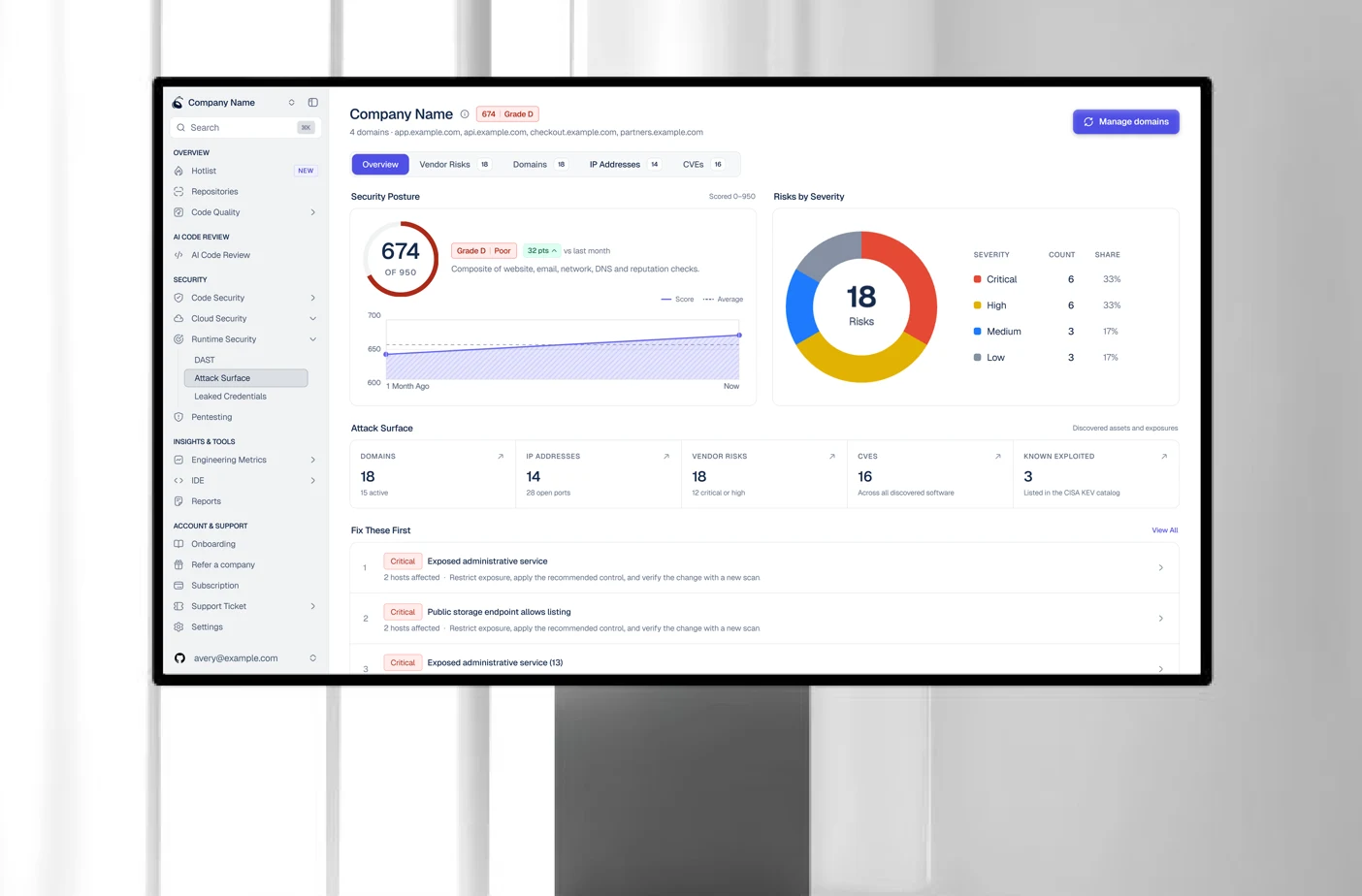 CodeAnt AI - YC W24: Designed dashboard, website and brand that helped company to scale from $0 to $60M
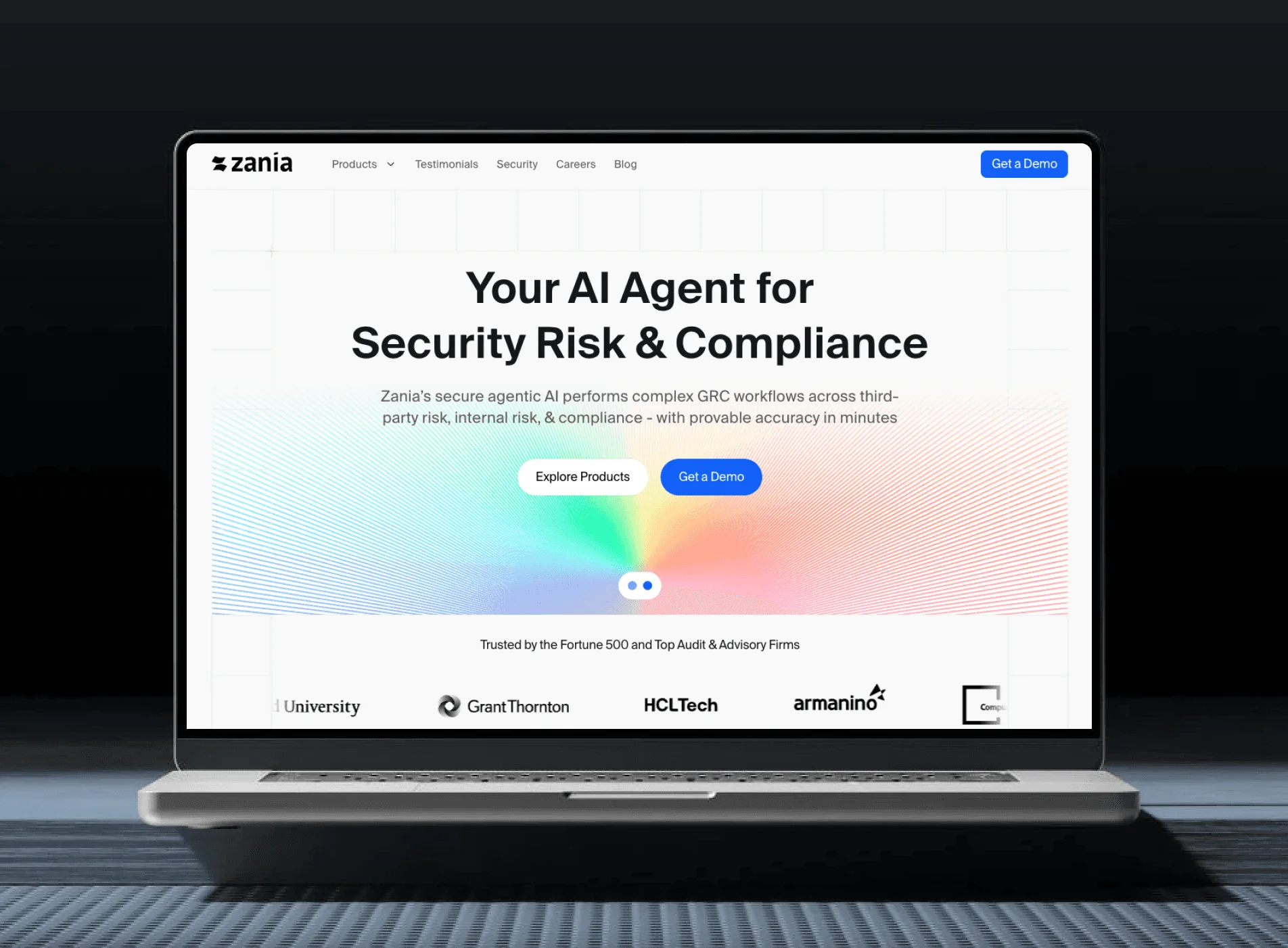 Zania Website: Designed and developed entire website in Framer, from structure to final production deployment
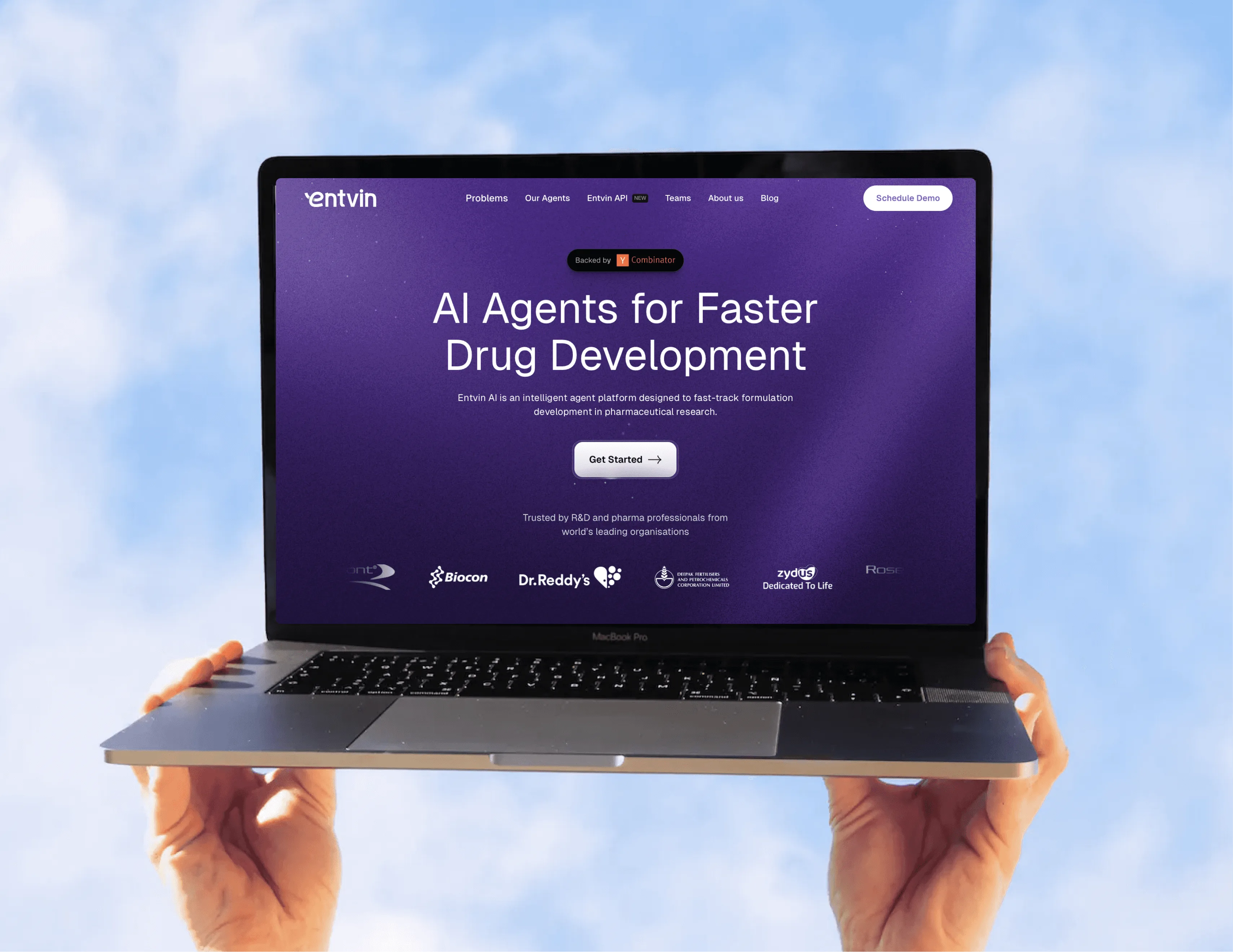 Entvin Website: Designed and shipped SaaS website with clear positioning, product storytelling and conversion-focused flows
Some early work has nothing left to open. For HelpNow (YC W20) I designed InstaMed, its B2B door-to-door medicine delivery app; both have since closed. For OceanFriends, which makes software for children's therapy centres, I designed event banners and a dashboard redesign.
CodeAnt AI case study: What a founding designer did across product, site and brand while the company went from $0 to a $60M valuation.
How it usually runs
Early-stage work moves on founder time, so I keep the loop short. I write the scope before anything starts, send designs for review in small batches, and write decisions down so they survive the next pivot. With US teams most of it runs async, with recorded walkthroughs. A Framer website of 5 to 8 pages starts from $3,500, and the pricing page has the other starting prices.
Utkarsh iterates fast, asks the right questions, and delivers polished results in days. The final output exceeded expectations.
When a startup design agency is the better call
If you need a brand, a website and a full product designed in parallel by a fixed date, hire a team, because one person can't run three workstreams at once. The same goes for research-heavy projects that need a dedicated researcher for weeks of interviews.
If the work comes one problem at a time and you want the person designing it to understand your funnel too, one designer is usually faster and leaves fewer hand-offs.
Questions people ask
Should a pre-seed startup hire a designer at all?
Usually for a website project rather than a hire. A clear site and a simple product built on a component kit are enough until design starts blocking a number you track.
What if we have no designer and no design files yet?
That's the normal starting point. The first project sets up a small component library and written decisions, so whoever designs next starts from something.
Can you work with a startup outside India?
Yes. I work remotely with teams anywhere; teams in the UK, EU, Middle East and APAC get live overlap most days, and US work runs mostly async.
Start a project
Tell me what you're building and where it's stuck: book a 30-minute call, email work@utkarshdesign.com or send a brief.