Fractional product designer for early-stage startups
Service · Updated
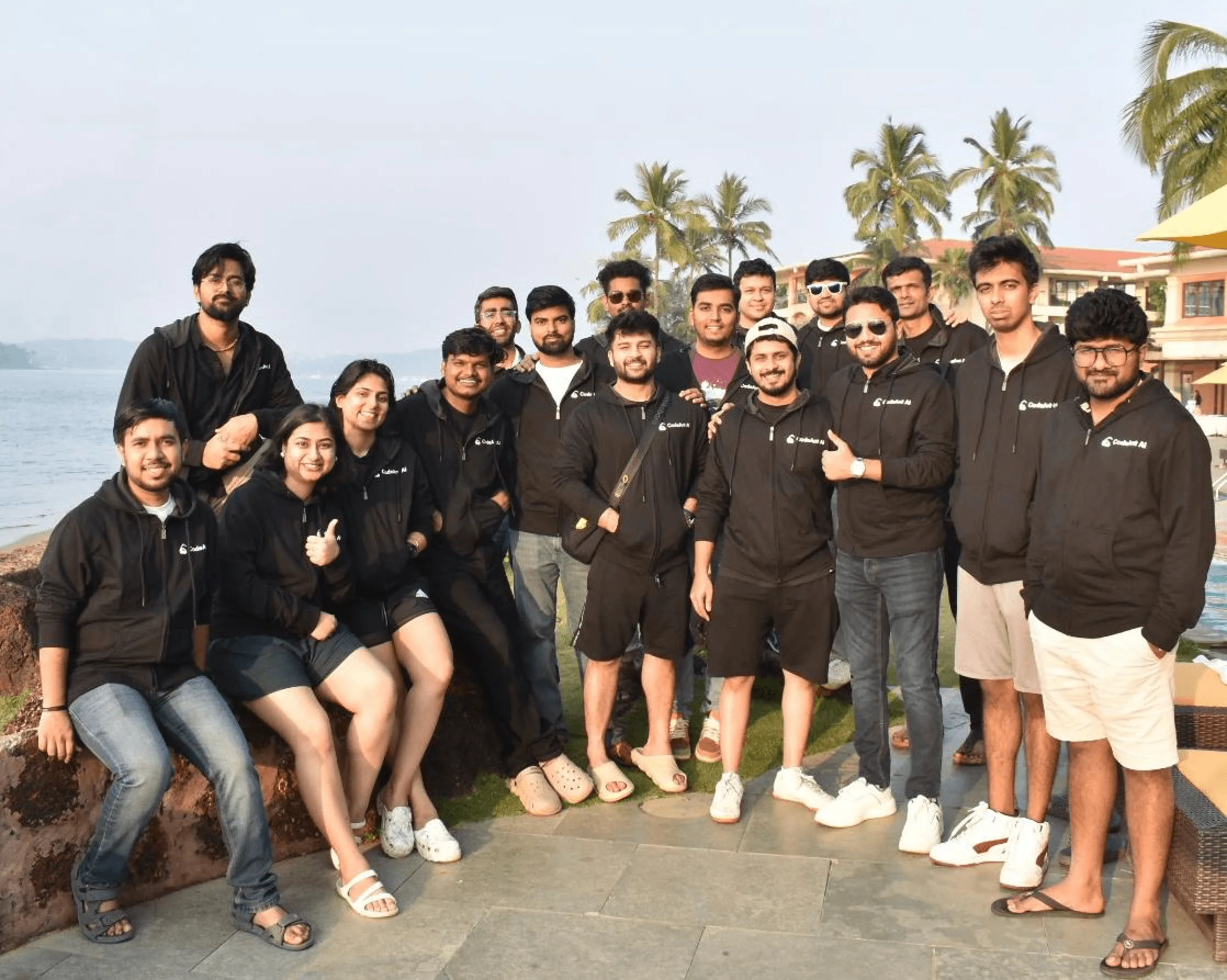
A fractional product designer works a fixed part of every week and owns design decisions the way a founding designer would, without a full-time hire. I've been founding designer at CodeAnt AI (YC W24) since June 2024 and take on the same role part-time for early-stage teams.
Fractional, project or full-time
Founders often ask me for a project when what they need is a fractional designer, and the other way round. The question I ask back is whether the problem has an end.
| Option | Fits when | Watch for |
|---|---|---|
| Freelance project | One defined problem: an onboarding flow, a dashboard, a website. Clear finish line. | Nobody owns design after handover, so the next feature drifts. |
| Fractional designer | The product changes every sprint, there's no designer on staff, and decisions come up weekly. | Needs someone on your side who can make product calls quickly. |
| Full-time hire | Design is a daily bottleneck across several teams and you know what the role should be. | Hiring well takes months, and a first designer with no system to inherit starts from zero. |
What founding-designer work looked like at CodeAnt
I joined CodeAnt AI in June 2024 as the first designer. While the company went from $0 to a $60M valuation, I designed the product, the Framer website, the brand and the design system, often all in the same week.
- Product: onboarding, dashboard, scan center, code review, security flows and developer metrics.
- Growth: onboarding tests that cut setup from 7 steps to 3 and doubled activation (the full story is in how we doubled trial-to-paid).
- Website: conversion-optimised Framer landing pages; conversion doubled since launch.
- System: 18+ UI patterns standardised, design turnaround down by 30%.
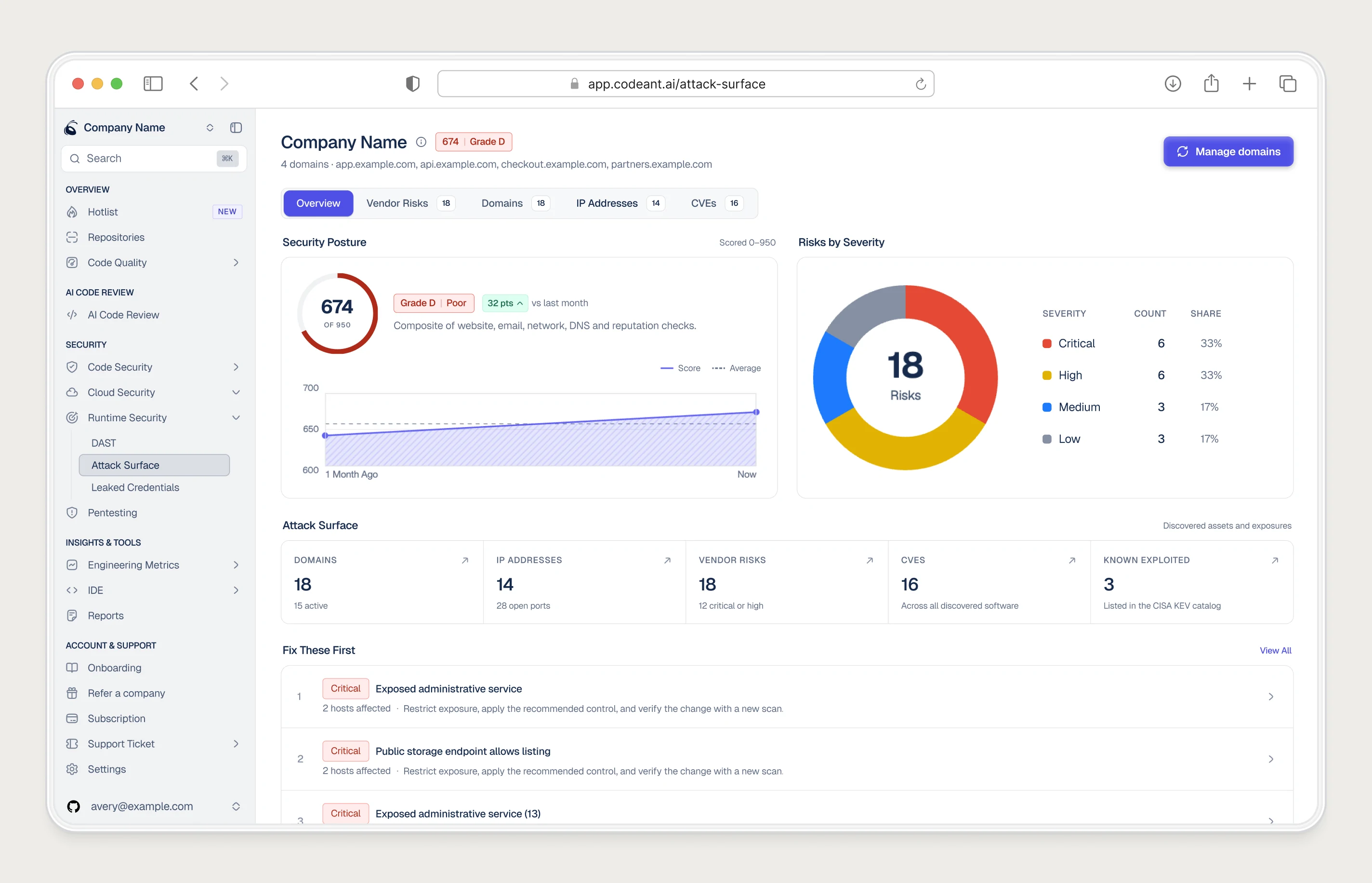

That spread is the reason to have a founding or fractional designer at all: whoever designs the onboarding should know what the website promised two clicks earlier.
How a typical month runs
- Start of month: pick the bets: A planning call with the founder or PM to pick the two or three things design should move this month, and the metric for each.
- Every week: design and review: Work in your Figma and your tracker, a fixed review slot with engineers, and async updates in between. Small fixes go straight to build.
- Mid-month: put it in front of users: A quick test of whatever is riskiest. Sometimes that's a prototype session, sometimes it's early data from something already shipped.
- End of month: look back: A written note on what shipped, what moved, what didn't, and what carries over into next month, so whoever joins later can read it.
The share of each week is agreed up front and runs month to month. Teams in the UK, EU, Middle East and APAC get live overlap most days; with US teams the weekly rhythm leans more on async updates.
What stays when the engagement ends
Every file lives in your workspace from day one. You keep the component library, the flow maps and a short decision log explaining why things are the way they are.
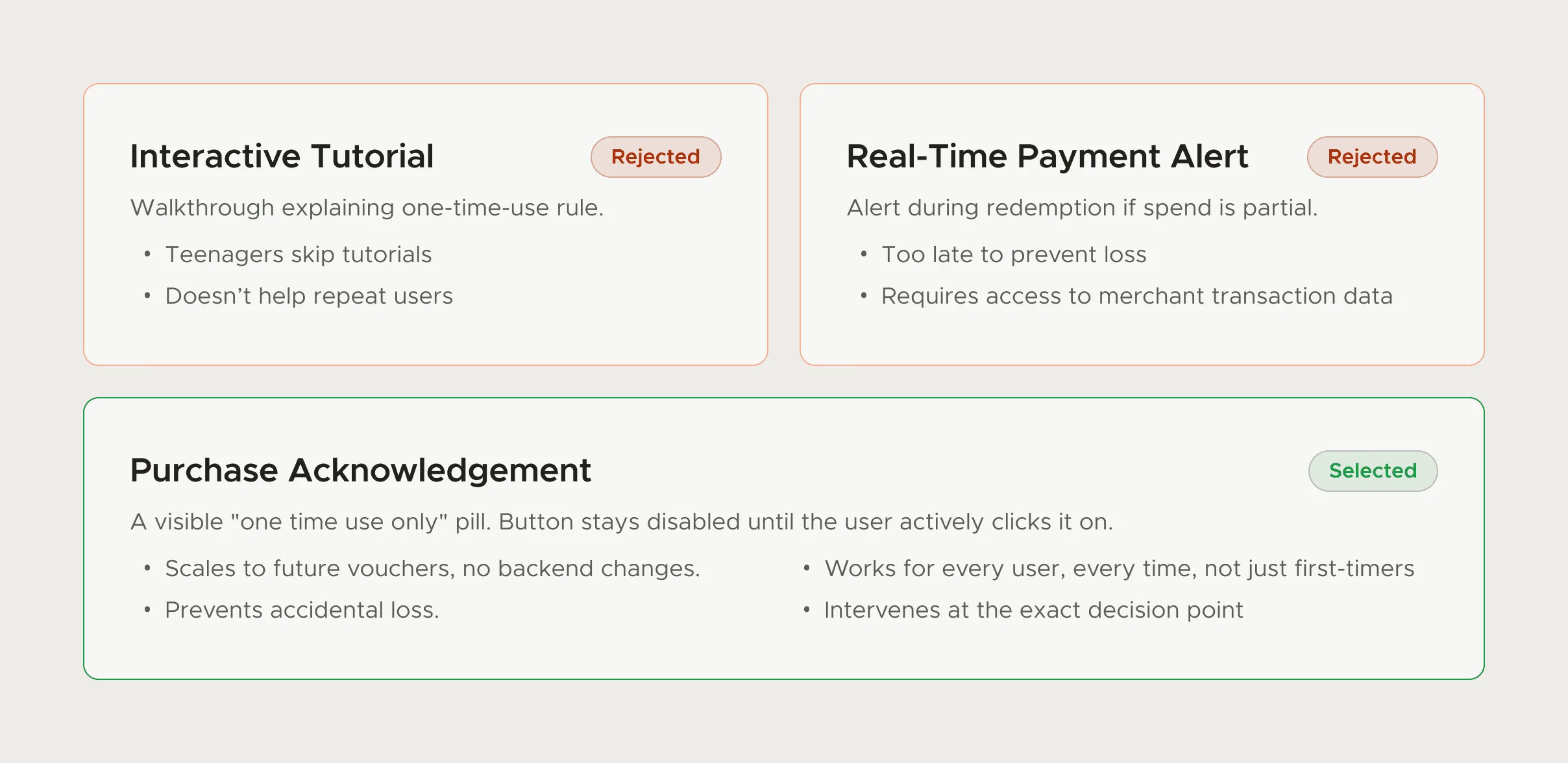
When you do hire a full-time designer, they inherit a system and a history instead of forty unnamed Figma pages. I treat that handover as part of the job from the first week, and it isn't billed as an extra.
When fractional doesn't work
- Nobody on your side owns product decisions, so designs wait a week for a yes.
- You need a designer in live meetings for most of the day.
- The work is one project with an end date. A sprint will cost less.
Starting
Email work@utkarshdesign.com with where the product is, what's on the roadmap for the next two months, and who I'd work with day to day. If a fixed project fits better, I'll say so. If you'd rather hire full-time, I'm open to that too, and the open-to-roles page explains how.
CodeAnt AI case study: What the founding designer role covered, with the onboarding problem in detail.
Questions people ask
What's the difference between a fractional and a freelance product designer?
A freelancer delivers a defined project and leaves. A fractional designer works a set part of every week on an ongoing basis and owns design decisions across the product.
How much does a fractional product designer cost?
My product design work starts from $4,500/month, and the pricing page has the details. For comparison, fractional design studios publicly list plans from around $5,000 a month.
Can a fractional designer act as a founding designer?
Yes, for most early-stage teams. It's the role I've held at CodeAnt AI: product, website, brand and design system, owned by one person.
Is there a minimum commitment?
It runs month to month. The first month is mostly learning your product, so it's worth planning for at least a few.
Start a project
Tell me what you're building and where it's stuck: book a 30-minute call, email work@utkarshdesign.com or send a brief.