Startup website design in Framer
Service · Updated

A good first startup website is four to six pages that say what you do, for whom, and what to do next. I design and build it in Framer in about 2 to 4 weeks, so founders can edit it. I've built sites for Entvin (YC S22) and Zania.
What a first website has to do
At seed stage, few people visit your site, and most arrive because a founder sent them: an investor, a design partner, a prospect after a call. The site confirms what they heard and gives them one obvious next step. Ranking for fifty keywords can wait.
So spend on a clear headline, real product screens and two or three proof points, not custom 3D or a blog with no posts. Entvin's site started with positioning and product storytelling (who it's for, what changes for them) before any visual work.
The page set I usually start with
| Page | Its one job | Can wait? |
|---|---|---|
| Home | Say what you do and for whom in one screen, then prove it | No |
| Product or how it works | Show the product doing the thing, with real screens | No |
| Demo, trial or waitlist | One form, short, with what happens after submitting | No |
| Pricing | Even 'Contact us' with plan shapes beats no page | Sometimes |
| About / company | Who's behind it; investors and design partners care | Sometimes |
| Blog, careers, changelog | Useful later, empty pages look worse than none | Yes |
I still set up the CMS and templates for the pages that can wait, so adding a blog later is a content job rather than a design project.
Why I build it in Framer
Your positioning will change twice this year. In Framer, a founder or the first marketer can edit text, swap a logo or duplicate a page without a developer, and the site stays fast. I'm an official Framer Expert, and I designed and built Zania's site in Framer end to end.
Search basics go in from day one: one topic per page, real headings, clean URLs, metadata and a sitemap. They cost almost nothing at launch and a lot to retrofit, which I learned restructuring xPay's Framer pages (the Framer SEO guide has that story).
What you get, and how the weeks go
- A positioning one-liner and page map, agreed before design.
- Wireframes with your real copy, then the visual design for desktop and mobile.
- A light visual identity (type, colour, a few components) if you don't have a brand yet.
- The site built and published in Framer, with forms, analytics and SEO settings.
- A handover session so you can edit, add pages and publish on your own.
- Week 1: positioning and page map: One working session with the founders, then the one-liner and page list. If the founders disagree on who the customer is, it comes out here.
- Week 2: wireframes and design: Homepage first, since it settles the tone. The other pages follow faster.
- Weeks 3 to 4: build, review, launch: I build on a Framer staging link, you get one review round, then I connect the domain and the site goes live.
Four pages with an existing brand take about two weeks. A new identity or a bigger product page pushes it to four.
Work and proof
entvin.com (live): SaaS website for Entvin (YC S22), from positioning and product storytelling to conversion-focused flows.
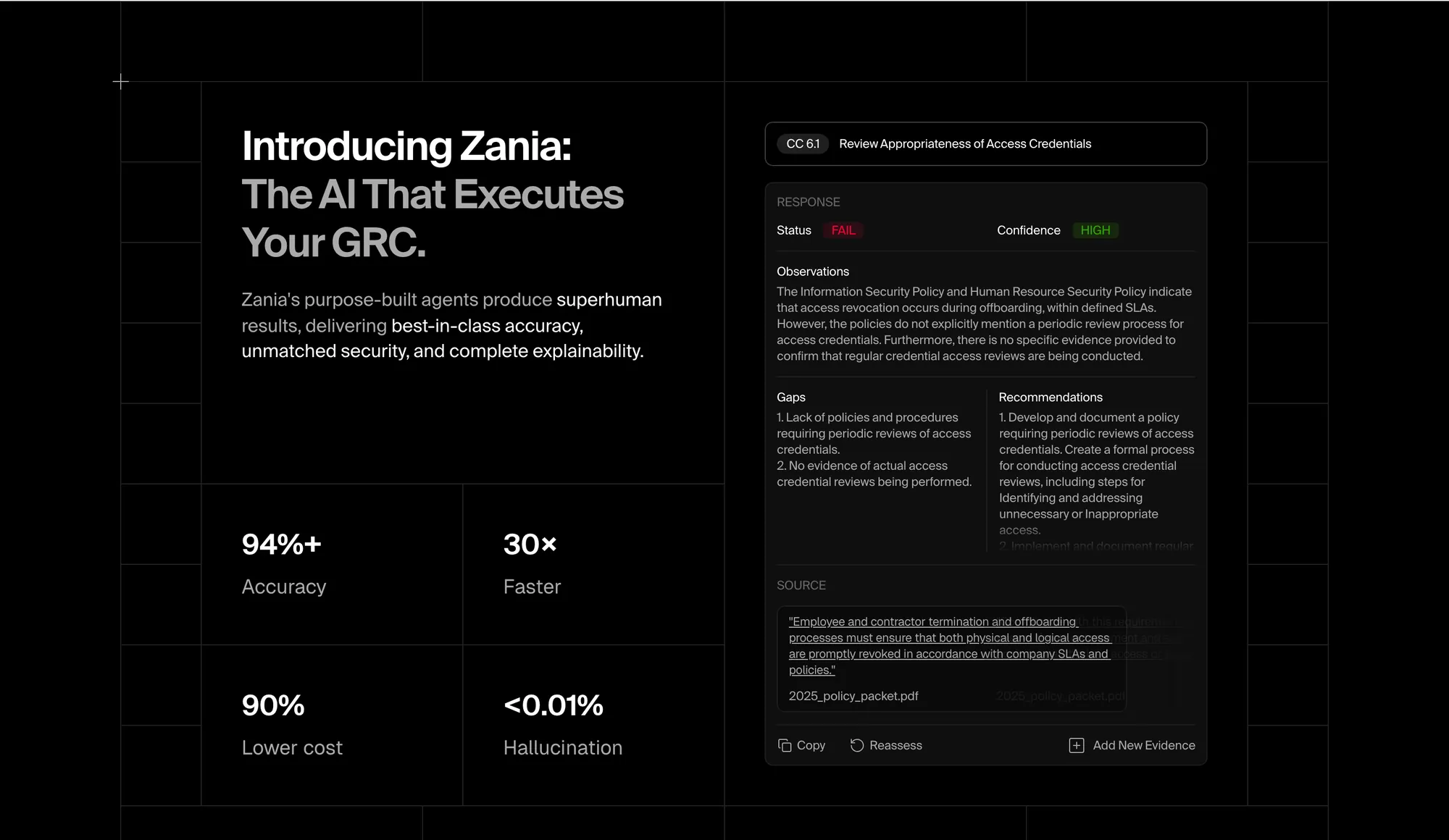
zania.ai (live): Designed and developed end to end in Framer, from structure to production deployment.
Utkarsh iterates fast, asks the right questions, and delivers polished results in days. The final output exceeded expectations.
I've also designed for xPay (YC W24), HelpNow (YC W20, since closed), OceanFriends and Bold Finance, 15+ brands in all. Since June 2024 I've been founding designer at CodeAnt AI, designing the website alongside the product.
When to wait, or go elsewhere
If you're pre-product and only need an email capture, a Framer template and an afternoon will do. A web app with logins is product engineering, which is a different job from a marketing site. And if you already have a site with traffic and rankings, a redesign that protects them is its own project.
To start, email work@utkarshdesign.com with a line on what you do, who buys it, and the action you want visitors to take.
Questions people ask
How much does a startup website cost?
Mostly on page count, whether you need a visual identity, and who writes the copy. My Framer websites (5 to 8 pages) start from $3,500 and a single landing page from $1,000; the full list is on my pricing page, and the final quote depends on scope.
How many pages does a startup website need?
Usually four to six: home, product or how it works, a demo or trial page, pricing, and about. Add a blog or careers page when you have something to put on it.
Can we edit the website ourselves after launch?
Yes, that's the main reason I build in Framer. You get a handover session, and the site is built from components, so a new page is usually a duplicate of an existing one.
Do we need a brand before the website?
No. I can set up a light identity (type, colour, a few components) as part of the site, and a fuller brand can come later.
Is the site set up for SEO?
Yes, the basics: one topic per page, a proper heading structure, clean URLs, metadata, a sitemap and fast pages. Content strategy is a separate job.
Sources
- SEO Starter Guide: The Basics, Google Search Central
- Using on-page editing, Framer Help
Start a project
Tell me what you're building and where it's stuck: book a 30-minute call, email work@utkarshdesign.com or send a brief.