How much MVP design costs in 2026
Guide · 7 min read · By Utkarsh Dhairya Panwar · Updated
Freelancers commonly list MVP design at $3,000 to $15,000, and agencies at $15,000 to $60,000 and up (ParallelHQ, July 2026). Price depends on the number of flows, the states per screen, and whether research is included. I find one product area with one user type takes about four weeks.
What an MVP design costs, by who does it
These are public figures, not my rates, and they cover design only. Most MVP articles quote design and engineering together and give design one line, which hides the part you can control.
| Who designs it | How it's usually priced | Public range | Source |
|---|---|---|---|
| Freelance product designer | Fixed per project, or weekly | $3,000 to $15,000 for an MVP | ParallelHQ, July 2026 |
| Design agency or studio | Fixed bid for a scoped MVP | $15,000 to $60,000 and up | ParallelHQ, July 2026 |
| UX/UI agency, any project | Fixed bid or time and materials | Most between $10,000 and $49,999 | Clutch, October 2026 |
| Fractional design studio | Monthly retainer | From around $5,000/month | Studio websites, 2026 |
Hourly rates differ a lot by country: about $65 to $100 an hour for a mid-level designer in the United States against $15 to $39 in India, in Second Talent's October 2026 guide. The full table by region and seniority is in my guide to freelance product designer cost.
Where your MVP lands in the range
| Your MVP | Where it tends to land |
|---|---|
| One path, one user type, no research, Figma prototype only | Low end of the freelancer range |
| One product area with every state, one usability round and a build review | Middle of the freelancer range |
| Several roles and permissions, interviews before design, a starter component set | Top of the freelancer range, or agency territory |
| Product plus marketing site plus brand at once | Agency range, or price each piece separately |
The jump between rows comes from the line items below. Two "MVP design" quotes that differ by a lot usually differ in whether they include states, a test round and a build review, and only one of them says so.
The line items you're paying for
| Line item | What makes it grow | How to keep it small |
|---|---|---|
| Scope and flow map | Several user types, unclear riskiest assumption | Pick one path and one user type for the first version |
| Core screens (happy path) | Every feature on the roadmap drawn at once | Only the screens on the path you're testing |
| States per screen | Empty, loading, error, no-permission, success, each one multiplied by screens | Never cut these. Cut screens instead |
| Research before design | Recruiting across markets, long interview rounds | Five calls with people already on your waitlist |
| Usability round | Polished prototypes, many tasks | One round on a clickable Figma prototype, three or four tasks |
| Component foundations | A full library before the product settles | Tokens plus the ten or so components every screen repeats |
| Marketing site | Often quoted inside the MVP by accident | Price it separately; it has its own scope |
| Build review | Skipped, then paid for twice as rework | One review of the coded build before release |
Ask every designer to fill in this table with days per line, then multiply by their day rate. The total stops being a mystery, and the gap between two quotes usually explains itself.
How long MVP design takes
For one product area with one main user type, I plan about four weeks. SoundSphere, an exploratory concept, also ran four weeks.
- Week 1: understand and cut: Walk through the idea or the existing build, read whatever data and support messages exist, and agree in writing what's in and out.
- Weeks 2 to 3: flows, then screens: Flows first, agreed before any pixels, then high-fidelity screens with every state. Reviews twice a week so feedback doesn't pile up.
- Week 4: test and hand over: A usability round on the prototype, fixes, then a build review with the engineers.
When the weeks stretch, drawing speed is almost never the reason. Feedback arrives from four people a week apart, someone adds a user type halfway through, or an integration needs permissions nobody planned for.
The cost that hides in states and permissions
In B2B MVPs the expensive surprise is rarely a screen. It's a step that works in the demo and fails inside a real company. At CodeAnt AI, trials stalled at repo connection because most people signing up weren't org admins. The fix was one extra screen and a few emails; the guide to doubling trial-to-paid at CodeAnt tells it in full.
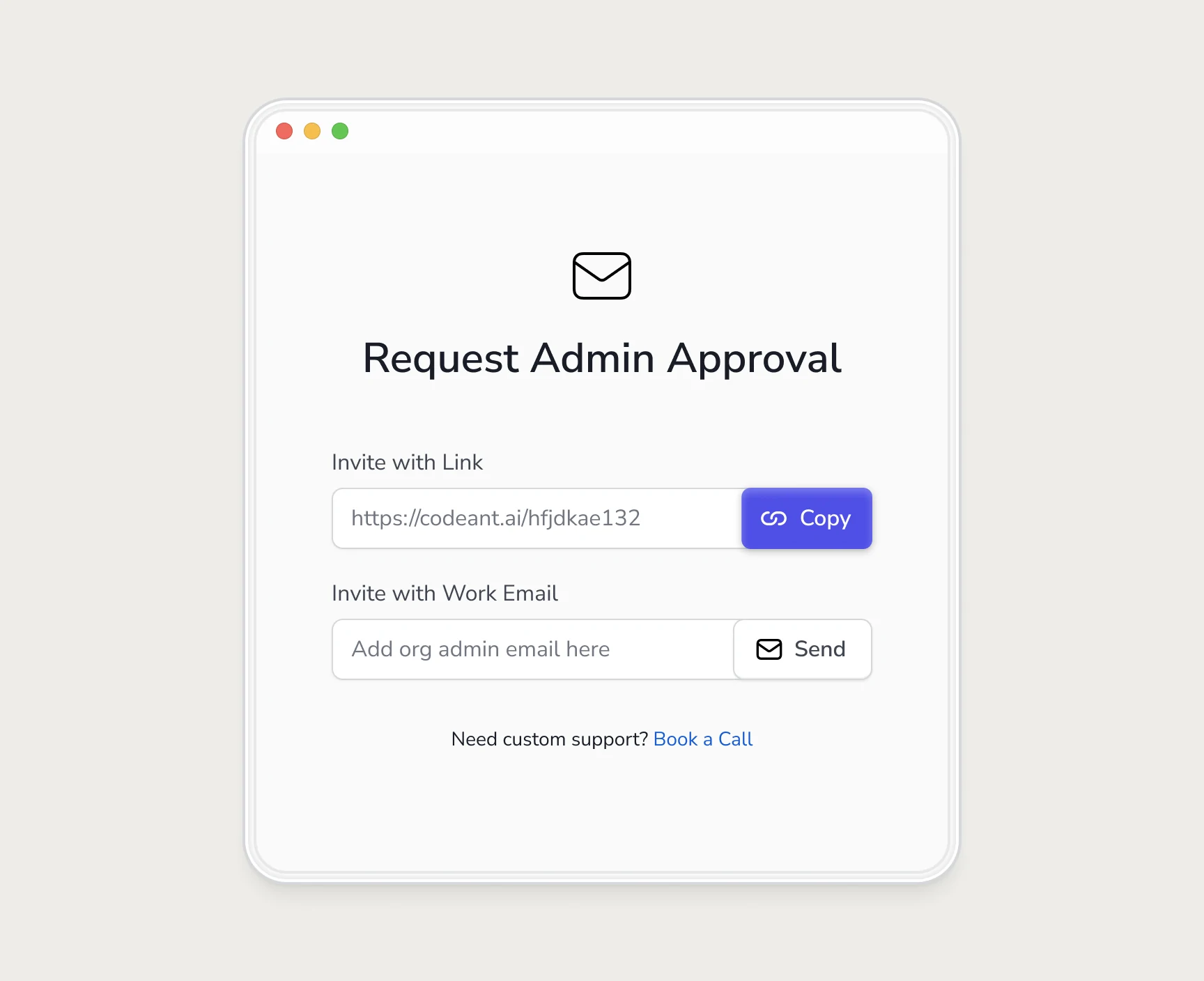
Payments work the same way. A timeout, a bank decline and a retry each need their own screen and their own advice, as my guide to payment failure UX shows. Budget for these from the start. They're cheap to design and expensive to discover in production.
Three ways to spend less without a worse MVP
- Cut flows, never states. One path designed with every failure state beats three paths that only work when nothing goes wrong.
- Start from components you can reuse. Even a small set of tokens and core components means the second feature costs less than the first. My guide to design systems for startups covers how small to start.
- Test the prototype before it's built. Five users on a Figma prototype will find the confusing step while fixing it is a quick edit to a frame. After launch, the same fix costs a sprint of rework.
Getting quotes you can compare
Send every designer the same short brief: the one-sentence problem, the user type, the path you want designed, the integrations involved, and whether you want a usability round and a build review. Ask for the line items back as well as a total. If you haven't cut the scope yet, my guide to MVP scope helps you do that before you ask anyone for a number.
My own product design starts from $4,500/month, and a single-area MVP usually fits in about a month of that. Starting prices are on the pricing page, and the MVP design service page explains how I run the work.
Questions people ask
How much does it cost to design an MVP app?
Public figures put a freelancer at $3,000 to $15,000 and a design agency at $15,000 to $60,000 and up for MVP design (ParallelHQ, July 2026). Flows, states and testing decide where you land.
How long does MVP design take?
About four weeks for one product area and one main user type: a week to scope, two for flows and screens, and one to test and hand over. Slow decisions add more time than anything else.
Is UI/UX design included in MVP development quotes?
Sometimes, as a single line. Ask whether it covers every state, a usability round and a review of the coded build, because those are what usually get dropped.
Sources
- UX Services Pricing Guide 2026, Clutch
- Why You Only Need to Test with 5 Users, Nielsen Norman Group
Working on this?
Tell me what you're building and where it's stuck: book a 30-minute call, email work@utkarshdesign.com or send a brief.