How much does branding cost for a startup?
Guide · 5 min read · By Utkarsh Dhairya Panwar · Updated
UK listings put a freelance logo at £500 to £1,000 and a full identity at £5,000 to £20,000; most Clutch-reviewed agency projects land between $10,000 and $49,999. The price follows how many surfaces the identity covers, how detailed its rules are, and whether strategy and product UI are in.
Published price ranges, with where they come from
These are public figures from pricing research and review sites, not my rates (mine are at the end). Use them to sanity-check a quote. Each row names who published it.
| What you get | Public range | Source |
|---|---|---|
| Custom logo from a freelancer (UK) | £500 to £1,000 | Whito, compiled June 2026 from UK pricing guides |
| Brand starter pack: logo and guidelines (UK) | £1,500 to £5,000 | Whito, June 2026 |
| Full identity: strategy and a complete asset system (UK) | £5,000 to £20,000 | Whito, June 2026 |
| Boutique agency identity system | £10,000 to £50,000 | Inkbot Design, updated September 2026 |
| Branding agency project, most common bracket | $10,000 to $49,999 | Clutch, from verified client reviews |
| Branding agency hourly rate | $100 to $149 an hour | Clutch |
| Logo design in India, typical | ₹5,000 to ₹50,000, agencies upwards of ₹100,000 | Sprak Design, 2023 article |
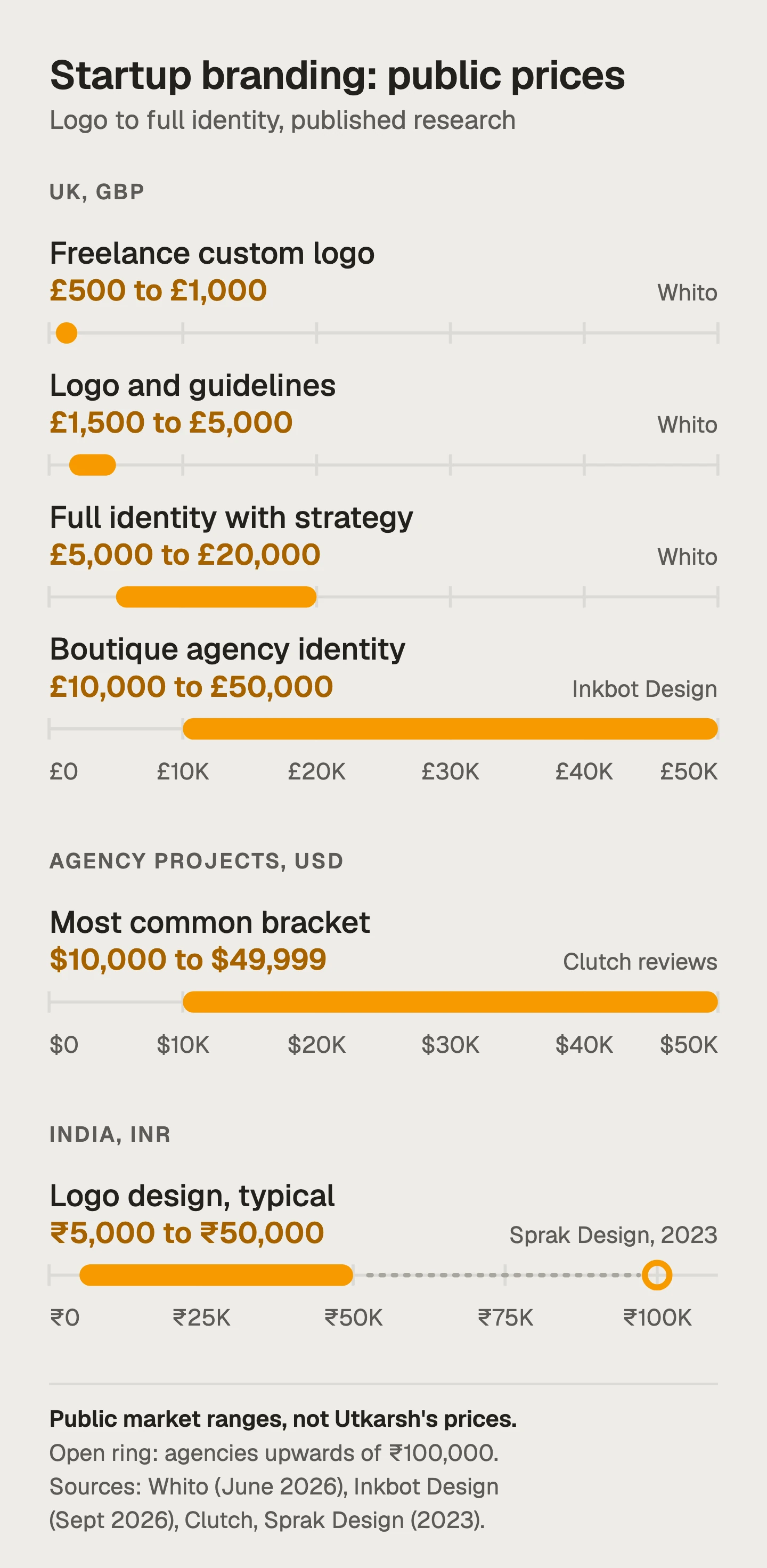
Treat these as rough brackets. A £1,000 'identity' and a £15,000 one share a name and very little else, so the useful question is what's inside the box.
What separates a logo from an identity
A logo is one file. An identity is the set of rules that lets other people make new things that still look like you: colour, type, spacing, imagery, voice, and how the logo behaves at every size and on every background.
For E-Summit 2023 at IIT Roorkee I led 5 designers and 3 developers on the identity and the website. The logo was the smallest part. Most of the work was everything it had to sit on: posters, event passes, ID cards, standees, a sponsorship deck, letterheads, merchandise, the stage and the site. Each one has its own sizes and print specs.
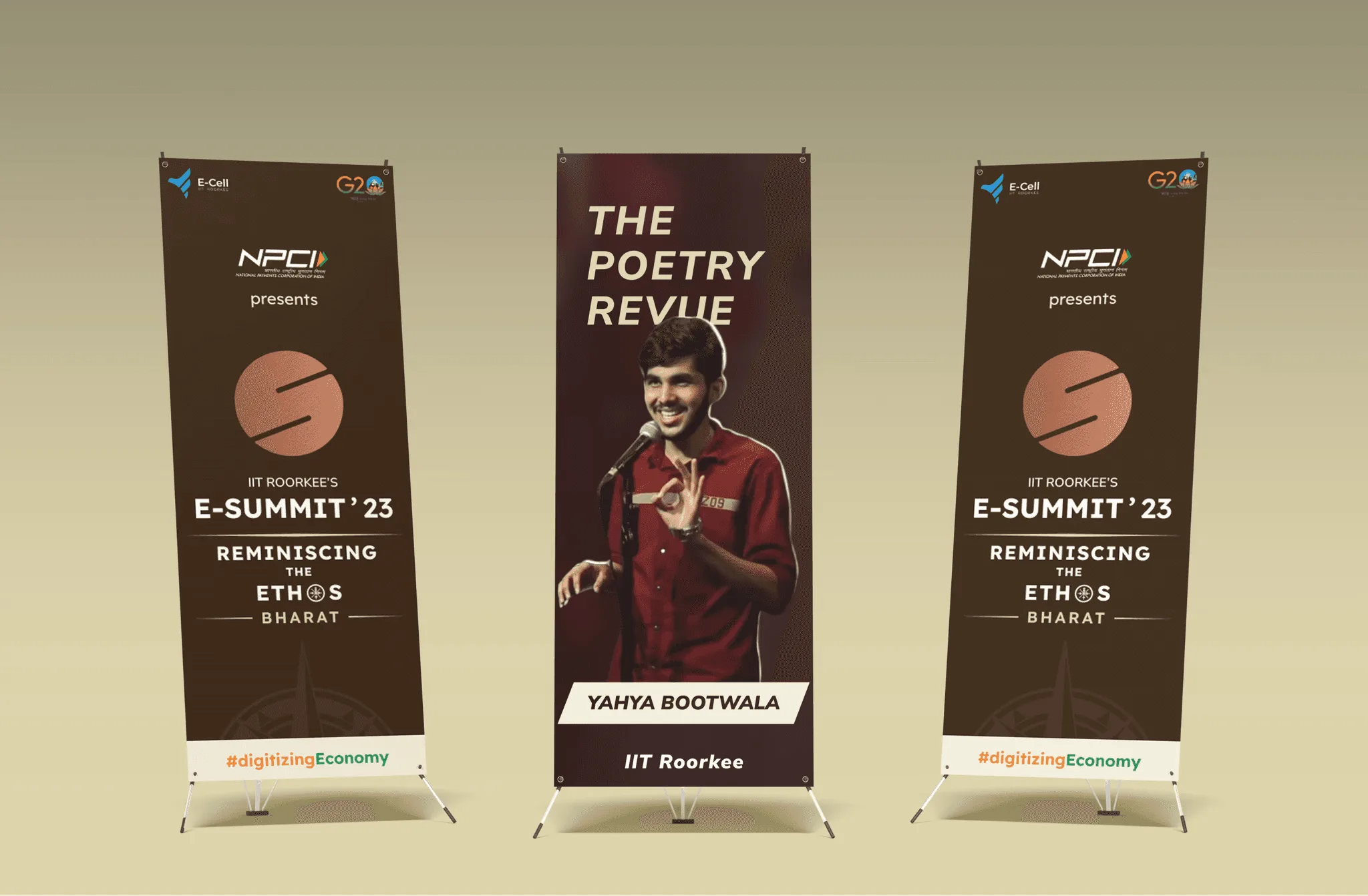
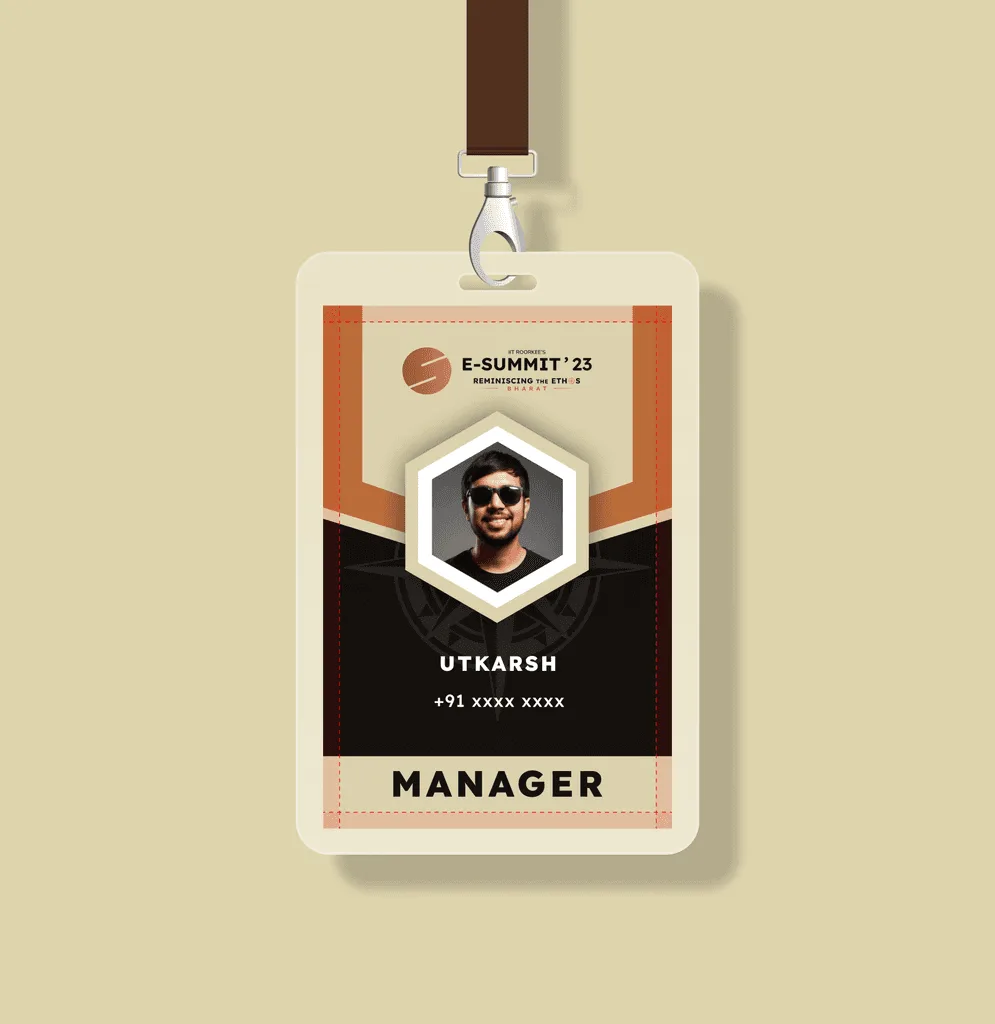
When two quotes differ by a factor of ten, list the applications each one covers. That's usually where the gap is.
What moves the price
- Number of applications. A logo on a website is one job. The same identity on a pitch deck, social templates, swag and a product UI is six.
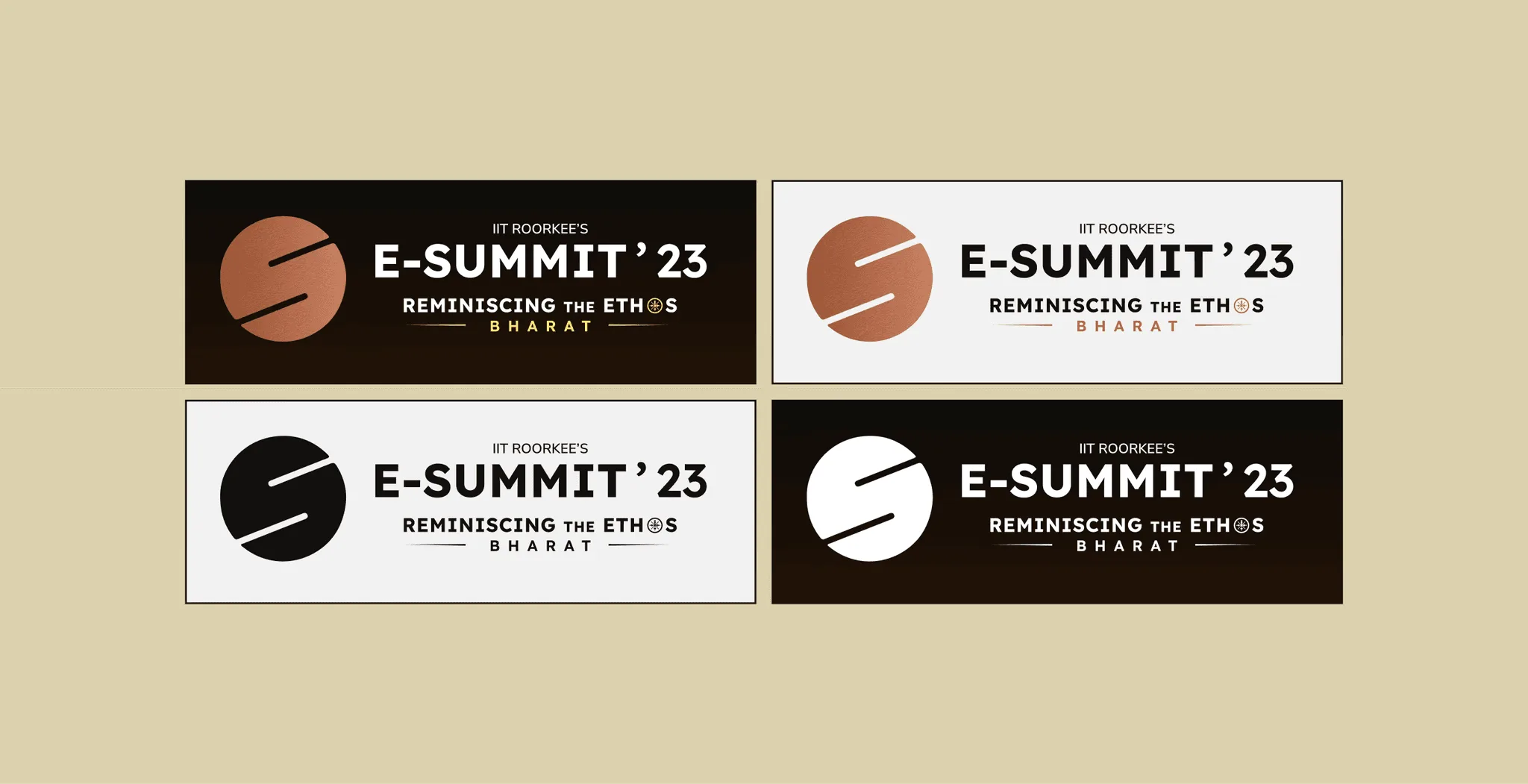
- Depth of the rules. Clear-space ratios, approved colour variants, what not to do. E-Summit's logo had four approved colour versions so nobody improvised a fifth.
- Strategy and naming. Positioning, messaging and name checks are separate work, often priced separately. Inkbot lists verbal identity on its own line.
- Product UI. If the brand has to hold up inside a dashboard, someone designs tokens and components as well as a homepage. At CodeAnt AI I built the visual identity, component library and design guidelines alongside the product.
- Rounds and approvers. Three concepts with two rounds each costs more than one direction refined. Every extra person with sign-off adds time.
- Production. Print specs, motion versions, file formats for every platform. Nobody asks for these until the printer does.
What a seed-stage startup should buy first
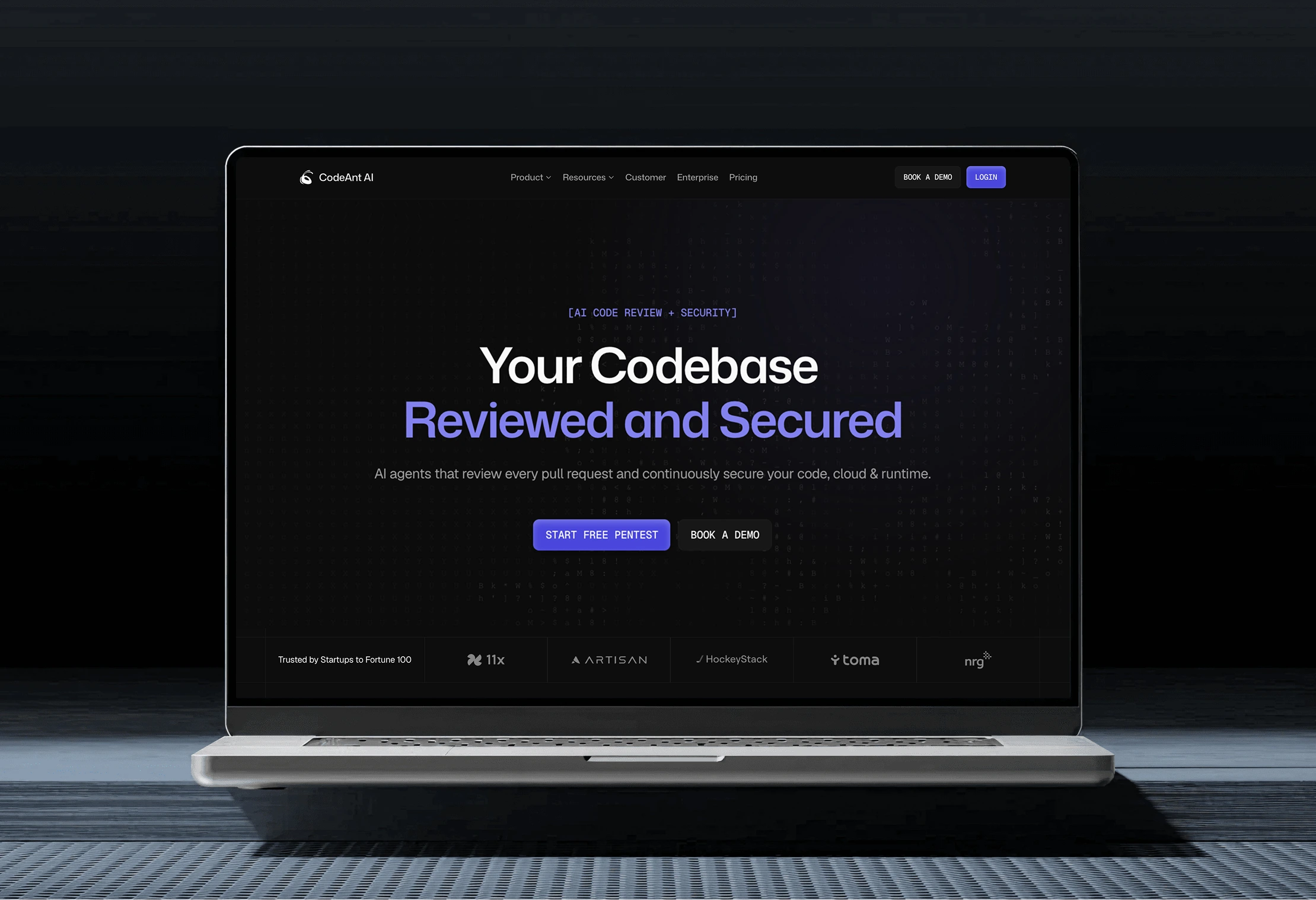
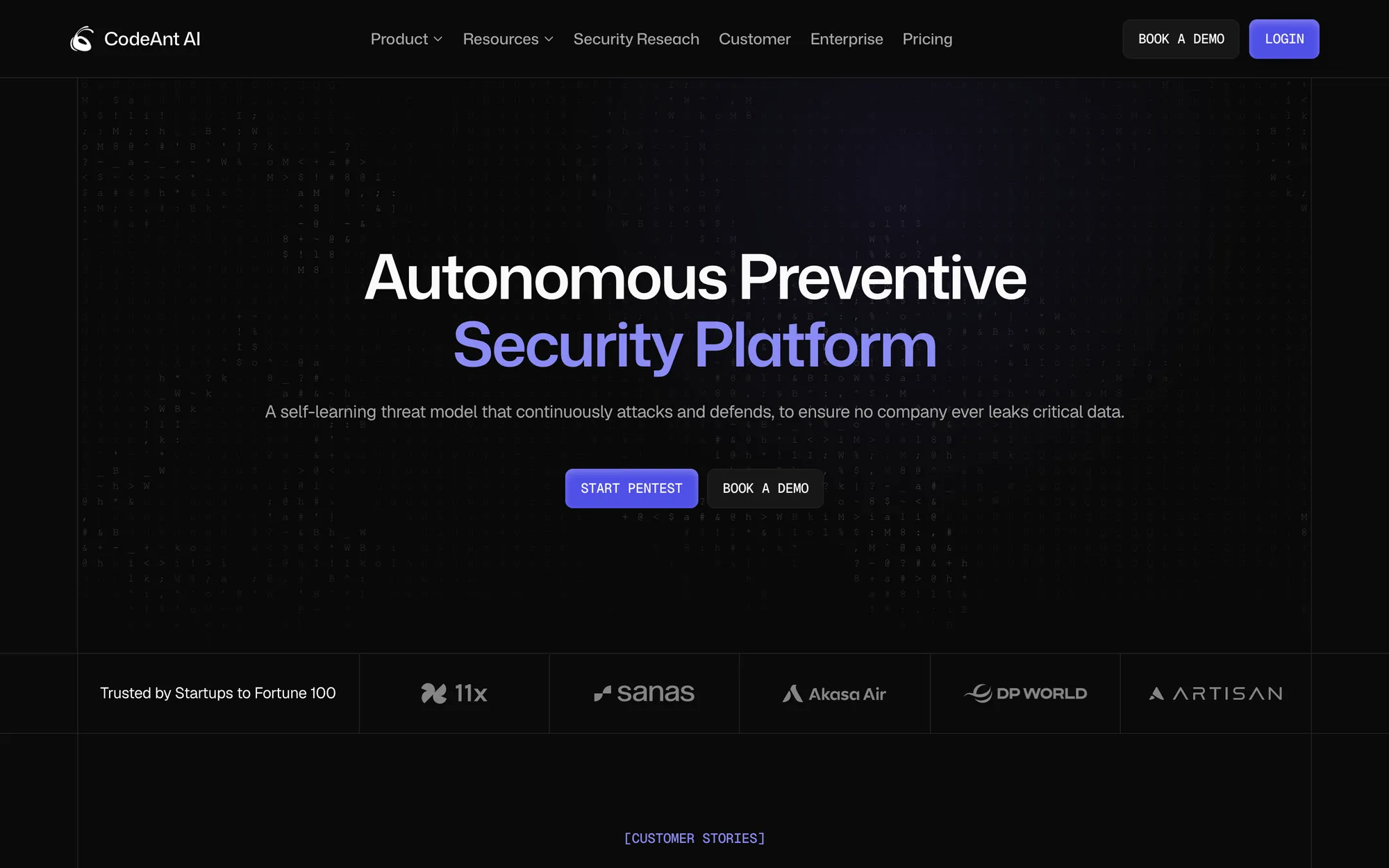
Before product-market fit, your positioning will move. CodeAnt shows it: the earlier homepage in my case study was built around code review, and the live one leads with security. A brand built on a few strong rules survives that. One built around a clever metaphor for the old pitch doesn't.
- Now: a working kit: A wordmark, one or two colours, one typeface family and a one-page guide. Enough for the website, the deck and the product to look like one company.
- When you start selling hard: applications: Deck and social templates, a sales one-pager, email signatures. These save founder hours every week, which is where the money comes back.
- When the product grows: tokens and components: Bring the brand into the product UI as a small design system. This is usually when the app and the website start to drift apart.
- After a real positioning change: the bigger identity: Strategy, a fuller system, possibly a symbol. Spend here once you know who you sell to and why they pick you.
Where branding budgets get wasted
The usual waste is a 60-page guideline PDF nobody opens, or three mascots commissioned before you have three customers. Another is a cheap logo followed by a second invoice to make it work at favicon size and on dark backgrounds.
The other one I see is brand and product split between two vendors who never talk. The website ends up in one blue and the app in another, and a year later someone pays for a 'rebrand' that is just a cleanup.
How to get quotes you can compare
- List the surfaces: Write down every place the brand has to appear in the next six months: site, product, deck, socials, events, packaging. That list is the scope.
- Say what exists: A name you're keeping, a logo you like, colours already in the product. Keeping things is cheaper than replacing them.
- Ask what the guidelines contain: Clear space, colour variants, type scale, misuse examples, templates. Ask for a list rather than a page count.
- Ask for one past identity shown in use: You want the logo on a ticket, a dashboard or a hoodie, not on a white artboard. That tells you whether the designer thinks in systems.
E-Summit, IIT Roorkee: An identity built from a small set of elements and applied to posters, passes, merchandise, the stage and the website.
My own brand identity work starts from $2,000, and the pricing page lists my other starting prices. The final quote depends on your list of surfaces, so send it to work@utkarshdesign.com and I'll write the scope down before quoting.
Questions people ask
How much does a logo cost for a startup?
Public UK research puts a freelance custom logo at about £500 to £1,000, and a 2023 Indian source lists ₹5,000 to ₹50,000 as typical. A logo alone is rarely enough, so budget for basic usage rules too.
Is startup branding cheaper in India?
Listed prices are lower, as the ranges above show. Judge a quote by what's included and by past identities shown in real use, not by the currency.
Should a startup pay for brand strategy before launch?
Usually only a light version: who you sell to, what you want to be known for, and the words you'll use. Full strategy work pays off once your positioning settles.
Sources
- Branding Pricing Guide 2026, Clutch
Working on this?
Tell me what you're building and where it's stuck: book a 30-minute call, email work@utkarshdesign.com or send a brief.