Working with a product designer in India
Guide · 7 min read · By Utkarsh Dhairya Panwar · Updated
Working with a designer in India goes well when your team writes things down and agrees a short daily overlap. IST (UTC+5:30) has no daylight saving and overlaps easily with Europe, the Gulf, APAC and US mornings. Contracts are usually a simple services agreement, invoiced in USD, GBP or EUR.
Time zone overlap with India, by region
| Your team | Difference from IST | Natural overlap |
|---|---|---|
| US East Coast | IST is 9.5 to 10.5 hours ahead | Your morning, my evening |
| US West Coast | IST is 12.5 to 13.5 hours ahead | Your early morning, my late evening; otherwise async |
| UK | IST is 4.5 to 5.5 hours ahead | Your morning to early afternoon, my afternoon to evening |
| Central Europe | IST is 3.5 to 4.5 hours ahead | Most of your working day |
| UAE and the Gulf | IST is 1.5 hours ahead | Nearly the whole day |
| Singapore, eastern Australia | Singapore is 2.5 hours ahead of IST; Sydney 4.5 to 5.5 | Your afternoon, my late morning to afternoon |
The gap shifts twice a year because India doesn't change its clocks and most of the US, UK and Europe do. Book recurring calls in a shared calendar instead of agreeing on '7pm my time'.
The US West Coast is the hardest pairing. It works mostly async, with one or two live calls a week instead of a daily one.
Async habits that make remote design work
Time zones matter much less once the work doesn't depend on a shared call. My setup with teams abroad:
- A written brief before any design: One page: the problem, who it's for, the metric, constraints, and what's out of scope. It lets the designer make progress while you sleep.
- A short overlap, used for decisions: Thirty minutes in the shared window for things that need a yes or no. Everything else goes in comments.
- Recorded walkthroughs instead of live presentations: A few minutes of screen recording explaining the design and its trade-offs. Reviewers watch when it suits them and reply against specific moments.
- Feedback on the frame, decisions in one place: Comments live in Figma. The decision gets logged in the ticket or doc so nobody reopens it next week.
- An end-of-day handover note: What's done, what's blocked, what I need from you. You start your day with it.
Communication: what to expect
English is the working language of Indian tech, and most product designers here have worked with teams based abroad, so language is rarely the issue. Directness sometimes is. Designers trained in agencies may agree to a request they privately doubt.
Ask for trade-offs directly. 'What would you push back on?' gets a straight answer. On my side, I write the reasoning next to each design decision, so a founder reading it first thing in the morning doesn't need a call to follow it.
Contracts and payments, in general terms
This isn't legal or tax advice, so check with your own counsel and accountant. Most engagements with independent designers in India run on a few simple pieces:
- A short services agreement or statement of work covering scope, deliverables, timeline, revision rounds, confidentiality and IP transfer on payment.
- Invoices in USD, GBP or EUR. Indian freelancers usually receive foreign payments by international bank transfer (SWIFT) or through a platform such as Payoneer.
- Milestone payments for projects (a deposit, then on delivery) or monthly invoices for retainer and fractional work.
- Your NDA if you need one. Most designers will sign a reasonable one before seeing the product.
- A contractor relationship rather than employment. For someone full-time on payroll in India, look at an employer-of-record service.
Spell out file ownership: the Figma files, the Framer project, font and stock licences. At handover, transfer the Framer project and Figma files into your own workspace so you're never asking for access later.
Quality signals that work across borders
- Shipped work you can click. For me that's codeant.ai, the CodeAnt dashboard at app.codeant.ai, zania.ai and entvin.com.
- Numbers with context. "Trial-to-paid doubled after we fixed one setup step" tells you more than "improved onboarding".
- References from founders and PMs abroad, beyond local agencies.
- Familiarity with your users' world. A designer for a US developer tool should know how GitHub org permissions work.
- The first email. If their reply to your brief is clear and asks good questions, their specs will be too.
How I work with YC teams and others remotely
I'm based in India and work remotely with teams anywhere. I've worked with several YC companies: CodeAnt AI (W24) as founding designer since June 2024, xPay (W24) as a product design intern, FamPay (S19) as a UX intern, and freelance work for HelpNow (W20) and Entvin (S22).
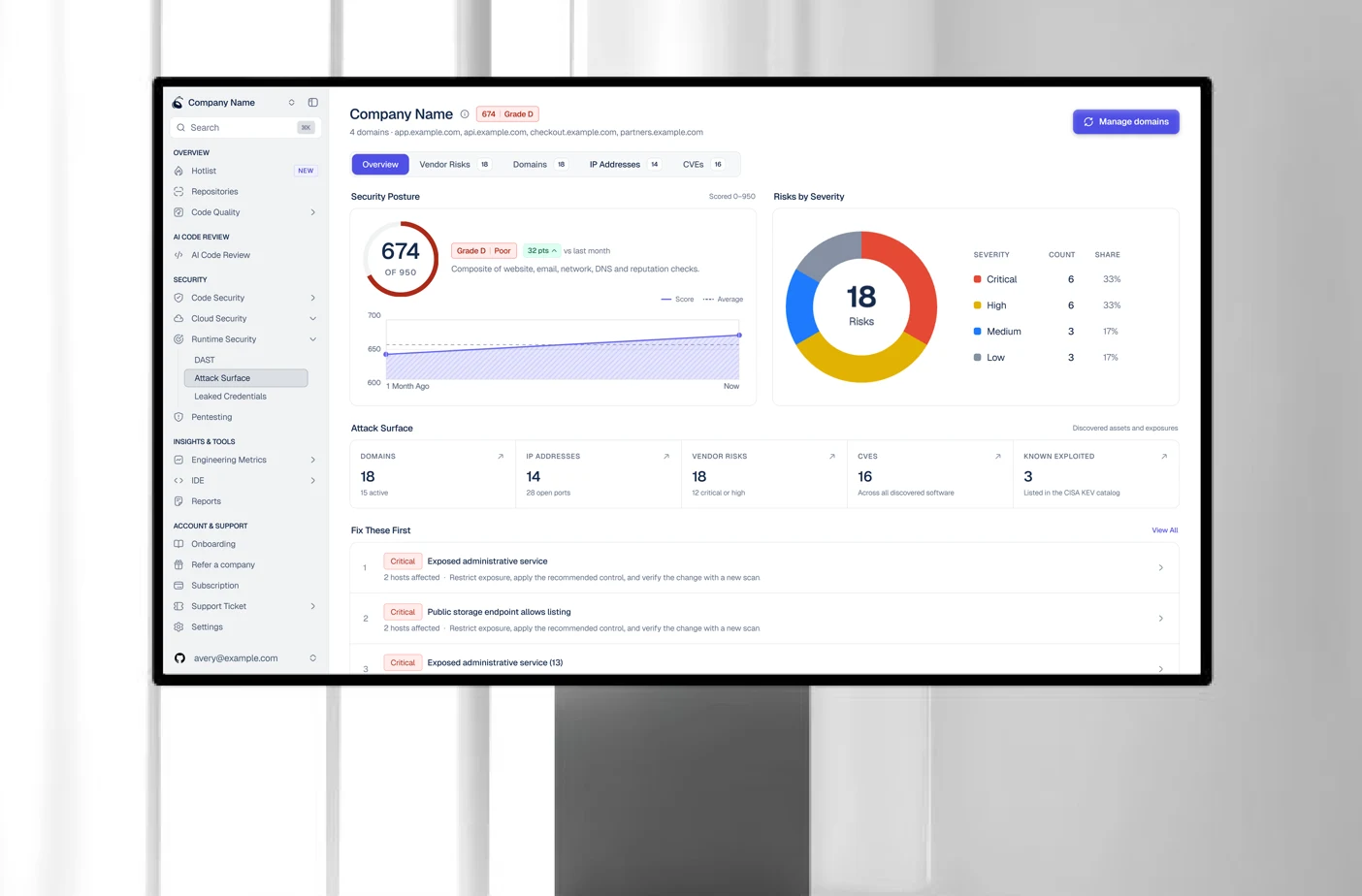 CodeAnt AI - YC W24: Designed dashboard, website and brand that helped company to scale from $0 to $60M
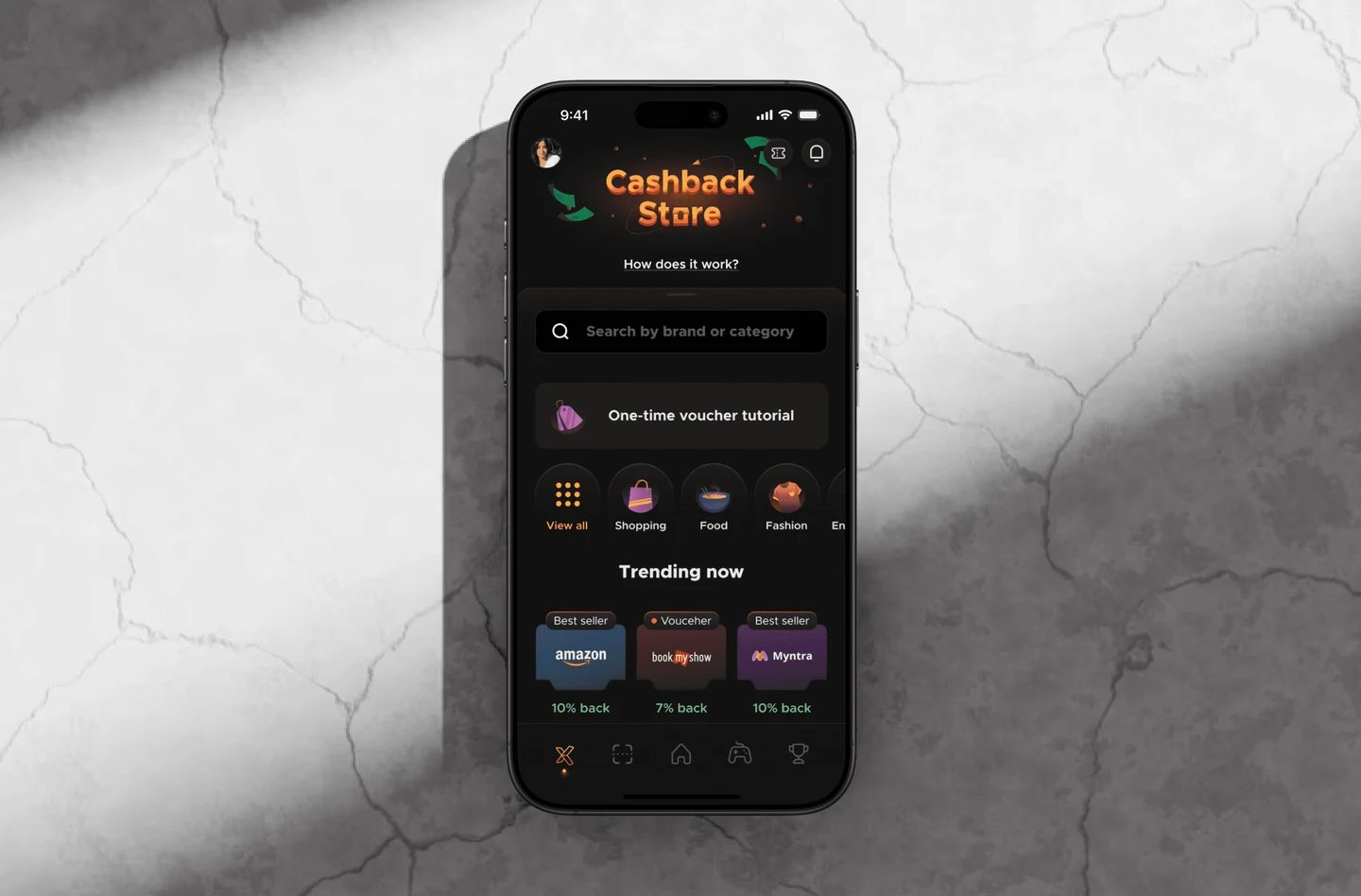 Fampay - YC S19: Improved voucher UX by making one-time-use rules clear and smoothing Cashback Store experience
They worked for the same reasons each time: one clear owner on their side, a problem written down, and short loops. The CodeAnt onboarding work shipped that way; the full story is in how we doubled trial-to-paid.
If you're hiring from outside India, the hire page explains how working with me runs and links to my starting prices. For full-time or contract roles, see the open-to-roles page.
Questions people ask
Do you work with US time zones?
Yes. I keep an overlap window in the US morning, which is evening in India, and run the rest async with written updates and recorded walkthroughs.
How do I pay a freelance designer in India?
Usually by international bank transfer or a platform like Payoneer, against an invoice in USD, GBP or EUR. Agree the currency and milestones in the contract.
Is it cheaper to hire a product designer in India?
Hourly rates are lower. Second Talent's October 2026 guide puts mid-level UI/UX designers in India at $15 to $39 an hour, against $65 to $100 in the US. Judge shipped work first, because a cheaper designer who needs constant direction costs you founder time.
Can a designer based in India be our founding designer?
Yes, if your team runs on written context. I'm based in India and have been founding designer at CodeAnt AI (YC W24) since June 2024.
Sources
- Daylight Saving Time Rules, NIST
- When do the clocks change?, GOV.UK
Working on this?
Tell me what you're building and where it's stuck: book a 30-minute call, email work@utkarshdesign.com or send a brief.